
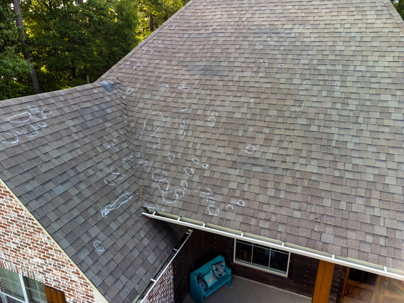
When hailstorms strike Denver, homeowners often hope their insurance will cover roof damage. But many are shocked when claims are denied or underpaid because insurers classify them as “cosmetic damage.”
Understanding the distinction between cosmetic and functional damage, and how Colorado’s unique climate affects roofing materials, is key to protecting your property and ensuring fair compensation.
What Is “Cosmetic Damage”?
Insurance companies may deny or limit claims if damage is considered purely cosmetic, meaning it doesn’t appear to compromise the roof’s function immediately.
However, this distinction can be misleading. Here’s what you should know:
- Functional Damage vs. Cosmetic Damage. Functional damage affects the roof’s ability to protect the home from water intrusion, structural compromise, or accelerated deterioration. Cosmetic damage may appear superficial but can still signal deeper issues, especially in brittle shingles.
- Adjusters Often Overlook Hidden Risks. Some damage that doesn’t immediately cause a leak can still fracture shingles, leaving them vulnerable to wind, moisture, and future damage.
- Denver’s Climate Intensifies Risk. High elevation and intense sunlight make shingles more brittle, increasing the likelihood of deep fracturing from even moderate hail. What may look cosmetic can quickly become a functional problem.
The Importance of UL 2218 Impact-Resistance Standards
The UL 2218 rating is a nationally recognized standard for hail impact resistance. Understanding this rating can strengthen your claim.
It entails:
- Class 1–4 Ratings. Shingles are tested under simulated hail impacts, with higher classes indicating greater resistance. Denver homes may require Class 3 or 4 shingles to withstand frequent hailstorms.
- Evidence for Claims. If your roof meets UL 2218 standards and shows damage from a covered storm, this provides strong support for the claim that what insurers might call cosmetic is actually a functional compromise.
- Insurance Expectations. Carriers often underestimate the significance of UL 2218-rated shingle damage, so having documentation can be critical in appeals.
How to Prove Functional Damage in Denver
Proving that roof damage is functional rather than purely cosmetic requires careful documentation and expert evaluation.
We recommend:
- Professional Roof Inspections. Hire a qualified inspector familiar with high-elevation roofing challenges and the UL 2218 standard.
- Photographic Evidence. Capture detailed photos of all hail impacts, fractures, and shingle granule loss, including close-ups and wide shots for context.
- Demonstrating Long-Term Risk. Show how fractures, even if minor, could accelerate leaks, structural issues, or roof failure over time.
- Reviewing Roofing Material Specs. Include manufacturer information showing brittleness under high-elevation UV exposure, which can support functional damage claims.
Why Denver Homeowners Are Especially Vulnerable
Denver’s climate makes the distinction between cosmetic and functional particularly important. This is due to the following commonalities in the region:
- High Elevation UV Exposure. Increased sun exposure weakens asphalt shingles, making them more prone to cracking.
- Frequent Hail Events. Even small hailstones can cause fractures that worsen over time, leaving the roof susceptible to leaks and interior damage.
- Insurance Adjuster Misjudgments. Adjusters unfamiliar with the nuances of brittle shingles at elevation may classify serious damage as cosmetic, thereby reducing payouts.
Steps to Protect Your Claim
Navigating cosmetic damage exclusions in Colorado insurance policies requires proactive steps.
Don’t forget to:
- Document All Damage Promptly. After a hailstorm, photograph and record every affected area of your roof.
- Seek Expert Evaluation. Professional inspections can quantify functional damage and provide evidence for disputes.
- Understand Your Policy. Review how your insurance defines cosmetic vs. functional damage and what standards, like UL 2218, are referenced.
- Appeal Denials or Low Payouts. Use documented evidence, expert testimony, and manufacturer specifications to support your claim.
By understanding how cosmetic damage exclusions work and documenting the true impact of hail on your roof, you can maximize your chances of a fair insurance payout.
If your home’s insurance claim has been denied or underpaid due to cosmetic damage, the team at Parker Lipman can help review your policy, evaluate your roof damage, and guide you through the appeals process.
Contact us at (720) 408-6840 or online to ensure your home is fully protected.