
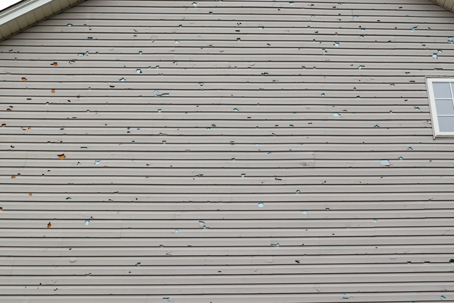
As Hail Premiums Spike, What’s Driving the Cost?
Homeownership in Denver comes with unique weather-related challenges. Hailstorms are frequent, and recent changes in insurance underwriting have caused homeowners to pay significantly more for coverage. Known colloquially as the “hail premium,” this increase has left many families wondering why their rates have skyrocketed and what factors are driving these higher costs.
Understanding how insurance companies calculate premiums—and how specific wind speed zones affect coverage—can help Denver homeowners make informed decisions and protect their homes effectively.
Why Insurance Costs Are Rising
Insurance premiums in Denver are influenced by a variety of factors, but hail and wind risks are now taking center stage.
This is due to:
- Increased Storm Frequency. Recent years have seen more intense hailstorms, causing insurers to reassess the risk for properties across the region.
- Rising Claim Payouts. Large claims from hail damage have prompted insurance companies to increase rates to cover potential losses.
- Updated Risk Assessment. Insurers now consider detailed local wind-speed zones when setting rates, which directly affects the cost of coverage.
The result is homeowners paying as much as 50% more for their property insurance in areas with higher wind and hail exposure.
Understanding Denver’s Wind Speed Zones
Colorado is divided into three primary wind speed zones. These zones dictate what type of roofing materials insurers require for replacements and influence premiums.
They are:
- Zone 115 mph. Properties in this zone are considered lower risk. Standard asphalt shingles may be acceptable, but insurers may still require impact-resistant materials for hail-prone areas.
- Zone 125 mph. Medium-risk properties fall under this category. Roofing materials must meet stricter wind-resistance standards, often requiring upgraded shingles or reinforced underlayment.
- Zone 140 mph. The highest risk category in Denver. Homes in this zone require premium roofing materials designed to withstand the strongest winds and hail, significantly increasing replacement costs and insurance premiums.
Knowing your zone is critical because insurance companies use it to calculate both your premium and the type of coverage required for a roof replacement.
How Roofing Materials Affect Premiums
Insurance carriers tie premiums to the durability and performance of roofing materials.
Homes with roofs that do not meet the insurer’s standards for wind and hail resistance may face:
- Higher Premiums. If a roof is considered vulnerable, insurers increase rates to account for potential damage.
- Coverage Limitations. Policies may only cover certain types of replacement materials, limiting your options in the event of a claim.
- Claim Denials. Using non-compliant materials could lead to disputes if damage occurs during a storm.
Investing in high-quality, impact-resistant roofing can help lower premiums over time and ensure claims are fully covered.
Tips for Denver Homeowners
To manage the “hail premium” and protect your investment, homeowners should consider the following:
- Identify Your Wind Speed Zone. Knowing whether you are in Zone 115, 125, or 140 mph helps anticipate insurance requirements and potential costs.
- Upgrade Your Roofing Materials. Consider impact-resistant shingles or metal roofing that meet insurance standards for your zone.
- Shop for Multiple Quotes. Different carriers weigh risk factors differently, so comparing quotes can uncover potential savings.
- Document Your Property. Keep detailed records and photographs of your roof and home to simplify claims if damage occurs.
- Stay Informed About Local Policy Changes. Insurance regulations and premium calculations can evolve, so staying up-to-date ensures you are prepared.
Understanding the factors that drive premiums empowers Denver homeowners to make informed decisions and avoid surprises during renewals or after a storm.
If you have questions about your homeowner’s insurance policy, need help assessing your coverage, or want guidance navigating claims related to hail or wind damage, our team at Parker Lipman can help.
Contact us at (720) 408-6840 or online to ensure your home and finances are protected.